
When investing in hearing aids, most people assume the devices will work properly once programmed. However, what many don’t realize is that hearing aids must be verified, not just programmed, to perform at their best.
At Integral Audiology, we use Real Ear Verification (also known as Real Ear Measurement or REM) as part of our standard of care. This evidence-based process ensures your hearing aids are precisely tailored to your ears and not just based on software estimates.
What Is Real Ear Verification?
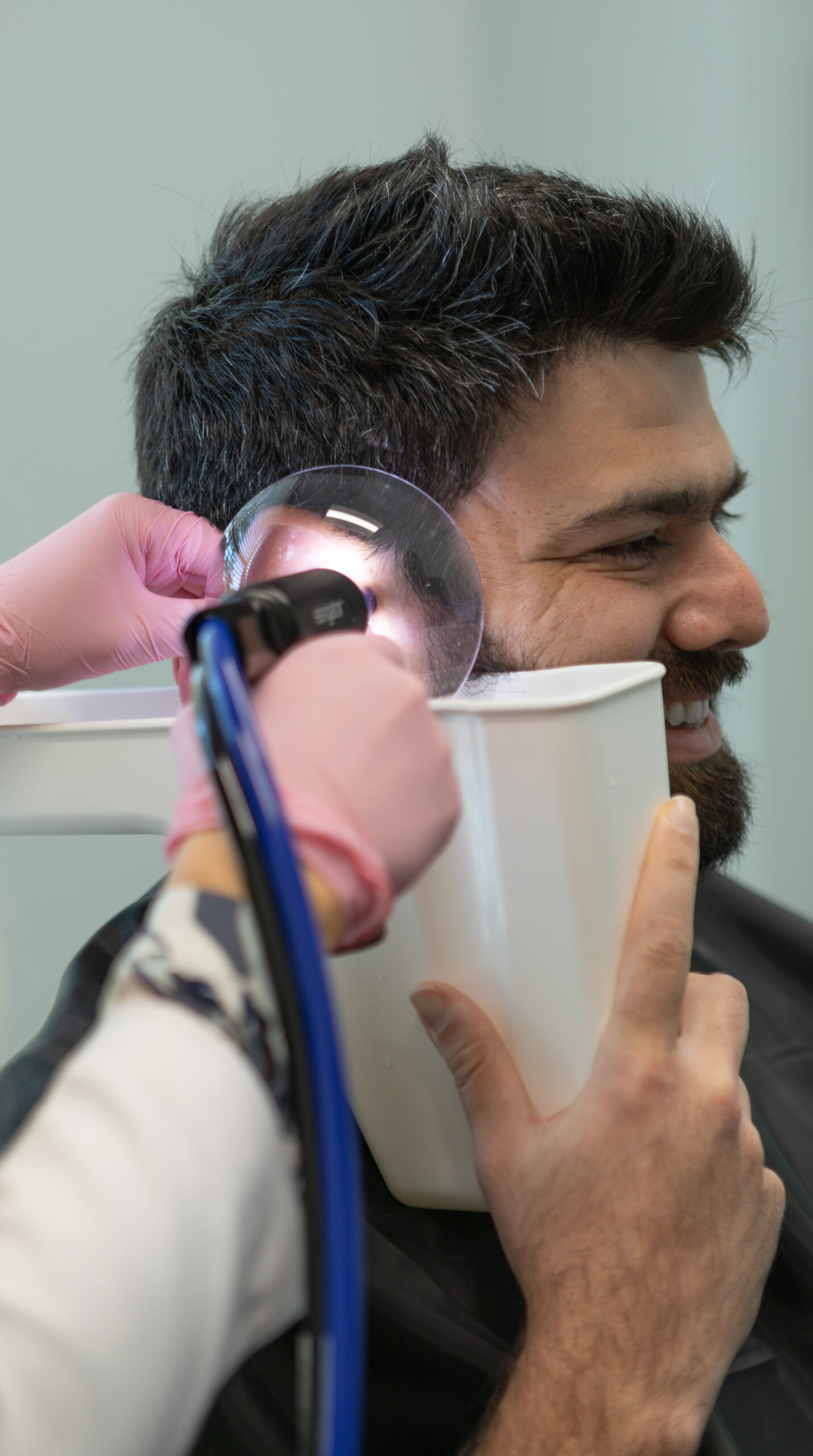
Real Ear Verification is a clinical procedure that measures how sound is delivered inside your ear canal while you are wearing your hearing aids.
A small probe microphone is placed in the ear canal to evaluate how much sound is reaching your eardrum, whether your hearing aids meet prescriptive targets, and how speech is amplified at different levels.
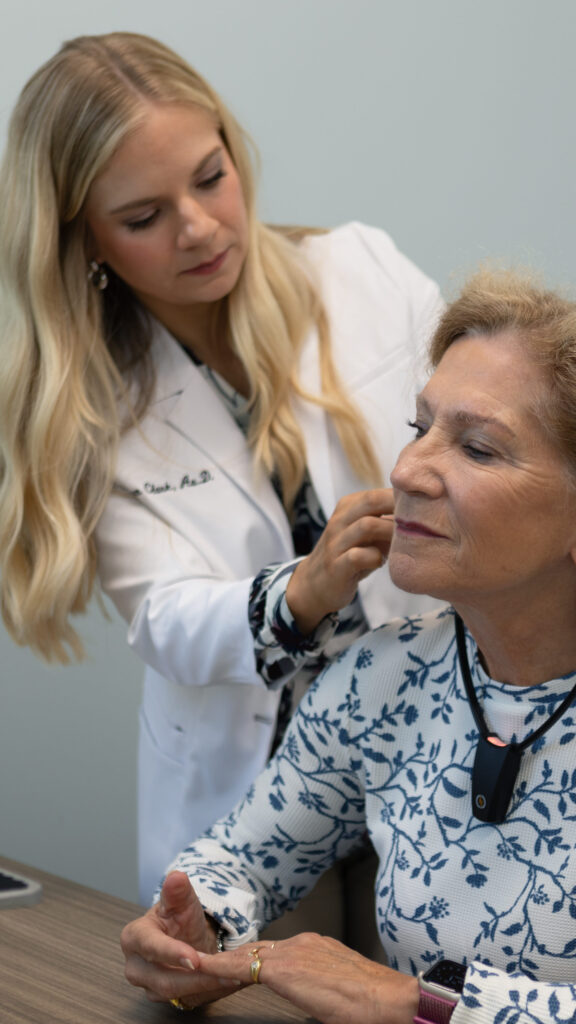
This allows your audiologist to make real-time adjustments so your hearing aids match your unique hearing needs.
Why Real Ear Measurement Is the Gold Standard for Fitting Hearing Aids
Leading organizations such as the American Academy of Audiology and the American Speech-Language-Hearing Association recommend Real Ear Verification as best practice for hearing aid fittings. But beyond recommendations, research consistently shows why REM is critical. Studies have found that a significant percentage of hearing aids programmed without REM do not meet prescriptive targets, and patients fit with Real Ear Verification demonstrate better speech understanding, especially in background noise. REM has also been associated with higher patient satisfaction and increased hearing aid usage.
In other words, without verification, you are relying on an estimate. With verification, you are confirming performance.
Despite this, many clinics still rely solely on manufacturer software. In fact, research suggests that only about 30% of hearing care professionals consistently perform Real Ear Measurement, meaning the majority of fittings are completed without objective verification.
So what’s happening instead? Most hearing aids are programmed using a “first fit” setting which is an estimate that does not account for your unique ear acoustics.
The Problem with “First Fit” Programming
Hearing aid software uses your hearing test to generate a “first fit” setting. While helpful, this is based on average ear acoustics, not your ear. Your ear canal has a unique shape that naturally amplifies certain frequencies and responds differently to sound than software predicts. Without Real Ear Measurement, speech may fall below audible levels (leads to difficulty understanding conversations), high-frequency sounds may be over-amplified (leads to sharp or uncomfortable sound), and overall performance may feel inconsistent or unnatural.
With Real Ear Verification, output is measured directly at the eardrum, adjustments are based on real data, and hearing aids are optimized for clarity.
Benefits of Real Ear Verification
- Improved Speech Clarity – Real Ear Measurement ensures speech sounds fall within an audible and comfortable range to help you better understand conversations, especially in noise.
- Personalized Fit – Your ear canal shape and hearing profile are unique. REM customizes your hearing aids specifically to you.
- Greater Comfort – Fine-tuning prevents sounds from being too loud, too soft, or unnatural.
- Better Long-Term Outcomes – Patients who receive Real Ear Verification report higher satisfaction, fewer follow-up visits, and better overall hearing performance.
What to Expect During a Real Ear Measurement Appointment
The process is simple, quick, and comfortable. A thin probe tube is placed gently in your ear canal with your hearing aids sitting over top. You will hear speech-like sounds from a speaker while your audiologist adjusts your hearing aids to match to target levels in real time.
Do All Audiology Clinics in Charlotte Use Real Ear Verification?
No. This is one of the most important questions you can ask when choosing a provider.
Not all hearing practices perform Real Ear Measurements and instead rely on default manufacturer settings. This may be due to time constraints, not having the proper equipment or training, or due to insurance limitations as many plans do not cover Real Ear Measurements and hearing aid services.
Real Ear Verification at Integral Audiology
At Integral Audiology, Real Ear Measurement is not optional; it is standard practice.
We believe that precision leads to better outcomes, verification leads to better performance, and patients deserve more than a “good enough” fitting. Our goal is to ensure your hearing aids are delivering the best possible clarity, comfort, and real-world performance from day one.
Why Real Ear Verification Matters Before You Buy Hearing Aids
Hearing aids are a significant investment. Without proper verification, you may not experience their full benefit. The quality of the fitting matters just as much as the technology itself, if not more. Even the most advanced hearing aids cannot perform optimally without being properly calibrated to your ear.
Before choosing a provider, ask “Do you perform Real Ear Measurement with every fitting?” If the answer is no, you may want to reconsider.
Schedule a Hearing Aid Consultation in Charlotte, NC
If you’re looking for expert hearing care in Charlotte or the Lake Norman area, we’re here to help. Schedule your consultation today and experience the difference that Real Ear Verification can make.